
Anúncios
Shoes Factory Jobs 2026 continue to create employment opportunities across India’s growing footwear manufacturing industry. The footwear sector has become one of the fastest-growing manufacturing industries due to increasing domestic demand, rising exports, and expanding retail markets. From sports shoes and casual footwear to safety shoes and fashion products, footwear companies require a large workforce to support manufacturing operations.
These jobs are popular among 10th pass, 12th pass, ITI candidates, freshers, and experienced workers because many factories provide practical training after joining. Employees working in shoe factories gain experience in production processes, packaging operations, quality inspection, warehouse management, and logistics support. Many workers begin their careers in entry-level factory positions and later move into supervisory or technical roles.
Check Your Eligibility
Answer 3 quick questions to see which role fits your profile.
What Is Your Gender?
How Much You Have Experience?
Finding out best rewards for you
The footwear manufacturing industry also offers stable employment because production activities continue throughout the year. As more footwear brands expand their operations in India, the demand for packing staff, production workers, quality inspectors, and warehouse employees is expected to remain strong in 2026 and beyond.
What Are Shoes Factory Jobs?
Shoes Factory Jobs involve working in manufacturing facilities where footwear products are designed, assembled, inspected, packed, stored, and prepared for distribution. Employees participate in different stages of production depending on their assigned department and responsibilities.
A footwear factory operates through multiple production processes including material cutting, stitching, assembly, finishing, quality checking, packaging, inventory handling, and dispatch. Every stage requires workers who can maintain efficiency and quality standards while supporting daily production targets.
These jobs are important because footwear manufacturing depends on teamwork between production staff, quality teams, warehouse employees, and logistics departments. Employees gain exposure to industrial manufacturing environments and develop skills that can be useful for long-term careers in manufacturing and supply chain operations.

Types of Roles
Packing Staff
Packing Staff are responsible for preparing finished footwear products for storage and distribution. Their work begins after the shoes have passed quality inspection and are ready to be packed. Employees place products inside boxes, verify labels, arrange packaging materials, and ensure every package meets company standards.
This role requires attention to detail because incorrect packaging can result in damaged products or delivery issues. Employees also check product information, sizes, colors, and quantity before dispatch. Proper packing helps maintain product quality during transportation and storage.

Many freshers begin their careers as Packing Staff because the role provides practical exposure to manufacturing operations and warehouse procedures. With experience, employees can move into inventory management, logistics coordination, or supervisory positions.
Production Worker
Production Workers participate directly in the shoe manufacturing process. They assist with material preparation, component assembly, stitching support, finishing operations, and production line activities. Their work ensures that manufacturing processes continue efficiently and production targets are achieved.
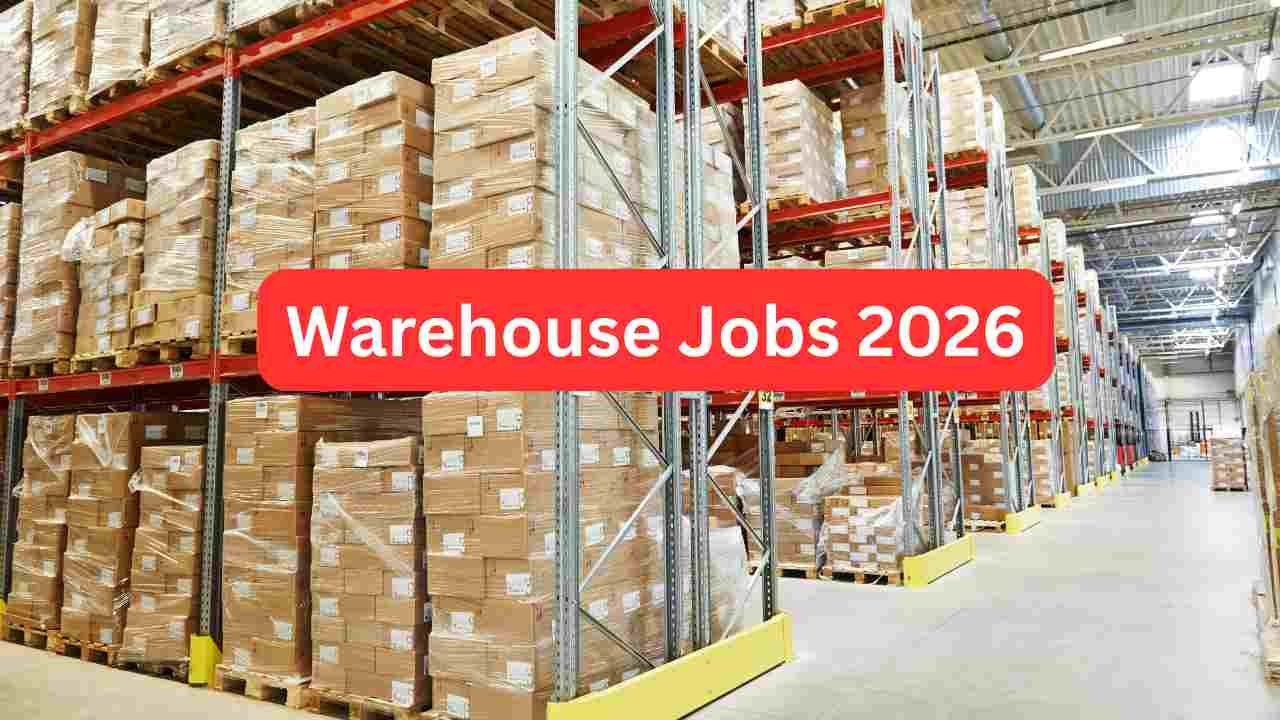
Production Workers often collaborate with machine operators, supervisors, and quality teams throughout the manufacturing cycle. The role helps employees develop knowledge of industrial production systems and manufacturing workflows.
Because footwear manufacturing involves multiple stages, production workers gain exposure to different operational areas within the factory. This experience can support future career growth in manufacturing and industrial operations.
Quality Check Staff
Quality Check Staff inspect footwear products at different stages of production. They verify stitching quality, sole attachment, finishing standards, sizing accuracy, and packaging quality before products move to the next stage.
Quality inspection is one of the most important functions within footwear manufacturing because it helps maintain customer satisfaction and brand reputation. Employees must carefully identify defects and ensure that only approved products are released for distribution.
Workers in quality departments develop strong observation skills and gain practical knowledge about manufacturing quality standards. Experience in quality control can lead to higher-level inspection and supervisory opportunities.
Inventory Support Staff
Inventory Support Staff manage raw materials, components, and finished products within factory warehouses. They organize storage areas, maintain stock records, monitor inventory movement, and help ensure production teams receive materials when needed.
Efficient inventory management prevents production delays and supports smooth factory operations. Employees working in inventory roles gain valuable experience in warehouse management and supply chain processes.
This role is suitable for candidates who are organized and comfortable working with stock records and inventory systems.
Logistics and Dispatch Staff
Logistics and Dispatch Staff coordinate the movement of finished footwear products from factories to warehouses, distributors, and retail stores. They prepare shipments, verify stock quantities, maintain dispatch records, and support transportation planning.
Efficient logistics operations help ensure products reach customers on time. Employees in this role develop practical knowledge of transportation management, warehouse coordination, and supply chain operations.
Experience in logistics can open future opportunities in distribution management and warehouse supervision.
Eligibility Criteria for Shoes Factory Jobs 2026
| Requirement | Details |
|---|---|
| Education | 10th Pass, 12th Pass, ITI or equivalent |
| Age Limit | 18–35 Years |
| Experience | Freshers and experienced candidates can apply |
| Physical Fitness | Required for production and packing work |
| Communication Skills | Basic communication skills preferred |
| Documentation | Valid ID proof and educational certificates |
| Shift Availability | Willingness to work rotational shifts if required |
Eligibility Explanation
Most Shoes Factory Jobs are accessible to candidates with basic educational qualifications. Many factories recruit freshers and provide training after joining, making these positions suitable for candidates who are starting their careers in manufacturing.
Physical fitness is important because employees may need to stand for long periods, handle products, and perform repetitive tasks during production shifts. Basic communication skills help workers understand instructions, coordinate with supervisors, and work effectively within teams.
Some technical positions may prefer ITI-qualified candidates, while entry-level roles such as Packing Staff and Production Workers generally accept 10th pass and 12th pass applicants. Proper documentation, including educational certificates and identity proof, is usually required during recruitment and verification processes.
Salary Details
| Job Role | Fresher Salary (INR) | Experienced Salary (INR) |
|---|---|---|
| Packing Staff | ₹10,000 – ₹15,000 | ₹15,000 – ₹22,000 |
| Production Worker | ₹11,000 – ₹18,000 | ₹18,000 – ₹28,000 |
| Quality Check Staff | ₹12,000 – ₹20,000 | ₹20,000 – ₹35,000 |
| Inventory Support Staff | ₹12,000 – ₹18,000 | ₹18,000 – ₹30,000 |
| Logistics & Dispatch Staff | ₹12,000 – ₹18,000 | ₹18,000 – ₹28,000 |
Salary Explanation
Salary in footwear factories depends on job role, experience level, factory location, and company policies. Entry-level employees usually start with basic monthly salaries and may receive additional benefits such as overtime pay, attendance incentives, performance bonuses, and shift allowances.
Employees who gain experience and develop technical or supervisory skills generally receive higher compensation. Roles related to quality control, inventory management, and logistics often offer better growth opportunities and salary progression over time.
Required Skills
Communication Skills
Communication Skills are important in footwear manufacturing because employees regularly interact with supervisors, production teams, warehouse staff, and quality inspectors. Clear communication helps workers understand instructions, report issues, and coordinate tasks efficiently.
Employees with good communication skills often perform better in team environments because they can share information accurately and avoid misunderstandings. Strong communication also supports workplace safety and operational efficiency.
Workers who develop communication abilities may have better opportunities to move into supervisory and leadership positions in the future.
Attention to Detail
Attention to Detail is one of the most important skills in shoe manufacturing. Small mistakes in stitching, finishing, sizing, packaging, or labeling can affect product quality and customer satisfaction.
Employees must carefully inspect products and follow manufacturing guidelines to ensure quality standards are maintained. This skill is particularly important for Packing Staff and Quality Check Staff because their work directly impacts the final product.
Workers who consistently maintain accuracy and quality often become valuable members of manufacturing teams.
Physical Fitness
Physical Fitness is essential because many factory roles involve standing for long shifts, handling products, and performing repetitive tasks. Employees need stamina and endurance to maintain productivity throughout the workday.
Good physical fitness also supports workplace safety and helps employees adapt to manufacturing environments. Workers who can maintain energy and focus during long production shifts generally perform more efficiently.
This skill becomes especially important in production, packing, and warehouse departments.
Time Management Skills
Time Management helps employees complete tasks according to production schedules and delivery deadlines. Manufacturing facilities operate according to strict timelines, and delays in one department can affect the entire production process.
Employees who manage their time effectively help improve productivity and reduce operational disruptions. Time management also allows workers to balance speed and accuracy while meeting production targets.
Strong time management skills can contribute to career growth and better workplace performance.
Teamwork Skills
Footwear manufacturing is a collaborative process involving production workers, quality inspectors, warehouse staff, and logistics teams. Employees must work together to achieve production goals and maintain efficiency.
Teamwork improves communication, reduces errors, and supports smooth workflow throughout the factory. Workers who cooperate effectively with colleagues often contribute positively to workplace performance.
Strong teamwork skills are highly valued because manufacturing operations depend on coordination between different departments.
Basic Computer Knowledge
Modern footwear factories increasingly use digital systems for inventory management, reporting, and production tracking. Basic Computer Knowledge helps employees work with inventory software, maintain records, and understand operational systems.
Workers with computer skills may have access to additional career opportunities in warehouse management, inventory control, and administrative departments. As manufacturing technology continues to evolve, digital skills are becoming increasingly valuable in factory environments.
Work Responsibilities
Packing Responsibilities
Packing Staff are responsible for preparing finished shoes for storage and dispatch. They check the boxes, verify product information, arrange packaging materials, and ensure the products are packed according to company standards. Proper packing prevents damage during transportation and ensures smooth delivery. Employees must maintain hygiene and accuracy while performing packing tasks to maintain customer satisfaction.
Production Responsibilities
Production Workers assist in the shoe manufacturing process by handling raw materials, stitching, assembling components, finishing, and supporting machines on the production line. They work closely with supervisors and machine operators to achieve daily production targets. Experience in production workflow helps employees understand manufacturing operations and build technical skills.
Quality Inspection Responsibilities
Quality Check Staff inspect shoes at different stages of production. They examine stitching, sole attachment, finishing, sizing, and packaging. Ensuring high-quality standards reduces product defects and maintains brand reputation. Employees in quality inspection roles develop attention to detail and a thorough understanding of manufacturing quality standards.
Inventory Management Responsibilities
Inventory Support Staff manage raw materials, components, and finished products in the warehouse. They update stock records, organize storage areas, monitor stock movement, and assist production teams with timely material availability. Proper inventory management avoids production delays and supports efficient factory operations.
Logistics and Dispatch Responsibilities
Logistics and Dispatch Staff coordinate the shipment of finished shoes from the factory to distribution centers or retail outlets. They handle packaging verification, shipment preparation, and documentation. Efficient logistics ensure products reach retailers on time and support smooth supply chain operations.
Career Growth Opportunities
Shoes Factory Jobs 2026 provide long-term career opportunities for employees who demonstrate skill and reliability. Entry-level employees such as Production Workers and Packing Staff can advance to Senior Packing Operator, Team Leader, or Shift Supervisor roles. Quality Check Staff may progress to Quality Supervisor or Quality Manager positions. Inventory and logistics staff can move into Warehouse Supervisor or Supply Chain Coordinator roles. The footwear industry’s continuous growth provides employees opportunities for skill development and internal promotions.
Best Courses or Certifications
Employees can enhance their career prospects with the following courses:
- Quality Control Certification: Understanding inspection processes and product quality standards.
- Industrial Safety Training: Knowledge of workplace safety and equipment handling.
- Inventory Management and Warehouse Operations Courses: Skills in logistics and stock control.
- Computer Skills and MS Excel Training: Efficient record keeping and reporting.
- Communication and Customer Service Training: Enhances teamwork and coordination within manufacturing environments.
These courses improve employability, support internal promotions, and prepare employees for supervisory or administrative roles within footwear factories.
State-wise / City-wise Opportunities
Shoes manufacturing units are concentrated in industrial hubs such as Tamil Nadu, Uttar Pradesh, Haryana, and Gujarat. Cities like Chennai, Noida, Gurgaon, Kanpur, and Ahmedabad have multiple footwear factories hiring packing, production, quality, and warehouse staff. Tier-2 cities including Indore, Nagpur, Jaipur, and Lucknow are also seeing growth in footwear production units, creating additional employment opportunities.
Work From Home Opportunities
Shoes Factory Jobs are primarily on-site due to production, packing, and quality inspection tasks. Employees must work at the factory to handle materials and supervise machinery. However, certain administrative or reporting roles may allow remote work.
Potential remote tasks include:
- Production and inventory reporting
- Digital documentation and record maintenance
- Administrative coordination
- Supply chain data management
Employees working remotely need familiarity with computer systems, reporting tools, and communication software.
Industry Demand in 2026
India’s footwear industry is expanding rapidly due to increasing domestic demand and growing exports. The demand for skilled production staff, quality inspectors, packing staff, and warehouse employees remains strong. The expansion of brands and production capacity ensures consistent employment opportunities for workers with technical, administrative, or operational skills.
Key factors driving demand:
- Growth of domestic and export footwear markets
- Expansion of production facilities and factories
- Increasing retail distribution and brand reach
- Higher demand for quality inspection and skilled factory workforce
- Adoption of automated machinery in production processes
Tips to Get Selected
- Highlight relevant educational qualifications and certifications on your resume.
- Demonstrate attention to detail, punctuality, and workplace discipline.
- Emphasize teamwork and willingness to work in shifts during interviews.
- Show familiarity with production workflow, quality standards, and basic computer skills.
- Physical fitness and ability to handle repetitive tasks can improve employability.
Frequently Asked Questions (FAQ)
Can freshers apply for Shoes Factory Jobs 2026?
Yes, many factories hire freshers for packing, production, and warehouse roles.
What qualifications are required?
10th or 12th pass candidates are generally eligible; ITI or diploma may be preferred for technical roles.
Is previous experience necessary?
Not for entry-level roles, but experience is advantageous for supervisory or technical positions.
Are factory jobs physically demanding?
Yes, employees often stand for long hours and perform repetitive tasks.
What is the salary range?
Fresher salaries typically start at ₹10,000–₹15,000, with experienced employees earning up to ₹35,000 depending on role and location.
Are promotion opportunities available?
Yes, employees can advance to supervisory, quality management, or inventory coordinator roles.
Are computer skills required?
Basic computer skills are beneficial for inventory, reporting, and administrative tasks.
Which cities offer more opportunities?
Chennai, Noida, Gurgaon, Kanpur, Ahmedabad, and other industrial cities have multiple footwear factories.
Do factories provide training?
Yes, many factories offer on-the-job training related to production processes, quality standards, and safety.
How can candidates find genuine vacancies?
Candidates should apply through official company websites, verified job portals, and trusted recruitment agencies.
Disclaimer
This article is for informational and educational purposes only. We are not affiliated with any footwear manufacturer, factory, or recruitment agency. Salary figures, eligibility criteria, and job responsibilities may vary depending on employer policies, location, and specific factory requirements. Candidates should always verify information from official sources before applying.
Conclusion
Shoes Factory Jobs 2026 provide stable employment opportunities across production, packing, quality inspection, and warehouse operations. These roles are ideal for freshers and experienced workers who want to develop skills in manufacturing, logistics, and quality control.
With the footwear industry expanding across India, demand for trained and reliable staff remains strong. Employees who focus on attention to detail, technical skills, safety awareness, and teamwork can build long-term careers in the manufacturing and logistics sectors.

Focused on researching and simplifying information related to government schemes, recruitment updates, education, scholarships, and career opportunities. Dedicated to creating clear, practical, and easy-to-understand content that helps readers find reliable information quickly.