
Anúncios
Hair Oil Factory Jobs 2026 continue to create employment opportunities in the cosmetics, personal care, FMCG, and beauty product manufacturing industries. The demand for hair oils, herbal oils, coconut oils, ayurvedic oils, scalp care products, and hair treatment products remains strong across domestic and international markets. As a result, cosmetic manufacturing companies regularly recruit production workers, machine operators, packaging staff, warehouse assistants, quality inspectors, and manufacturing support employees.
Modern hair oil factories manufacture a wide range of products including coconut hair oil, almond oil, onion hair oil, ayurvedic hair oils, herbal hair oils, and premium hair care products. These factories use automated production systems, filling machines, mixing equipment, packaging lines, and quality testing procedures to maintain production efficiency and product quality.
Check Your Eligibility
Answer 3 quick questions to see which role fits your profile.
What Is Your Gender?
How Much You Have Experience?
Finding out best rewards for you
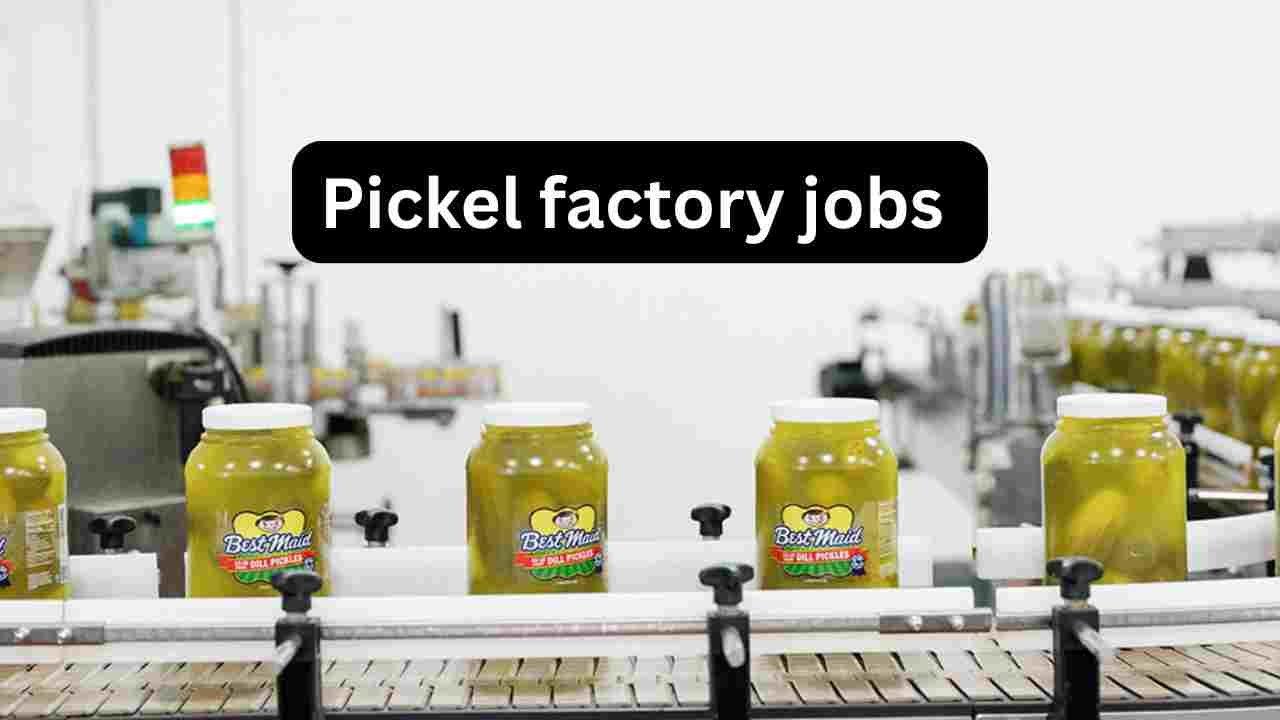
Hair oil manufacturing jobs are suitable for 10th Pass candidates, 12th Pass candidates, ITI holders, diploma holders, freshers, and experienced factory workers who want stable employment in the FMCG and cosmetic manufacturing sector.
What Are Hair Oil Factory Jobs?
Hair Oil Factory Jobs involve manufacturing, processing, packaging, quality inspection, storage, and dispatch of hair care products. Employees work in production environments where oils are mixed, filtered, tested, bottled, labeled, packed, and prepared for distribution.
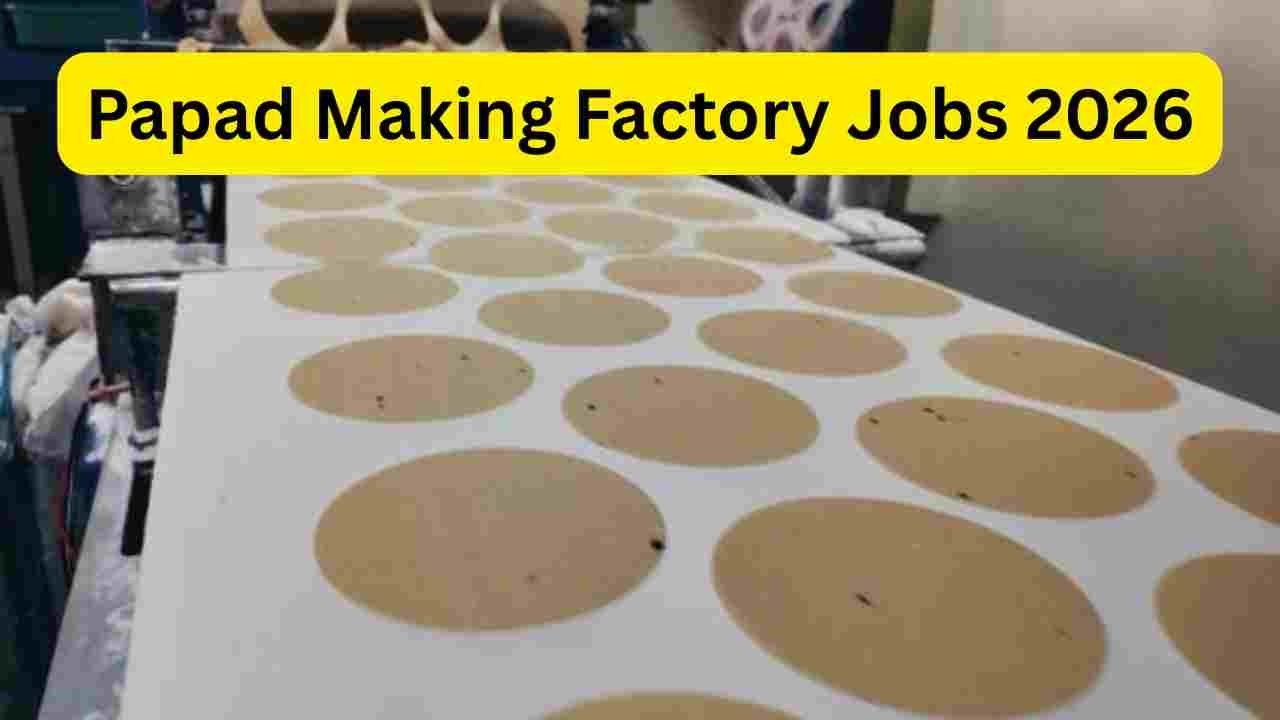
Workers support different stages of manufacturing depending on their department. Some employees handle raw materials and production equipment, while others focus on packaging, inventory management, or quality control. Since cosmetic products directly affect consumers, factories follow strict quality standards and hygiene procedures during production.
Employees gain practical experience in cosmetic manufacturing, production management, warehouse operations, quality assurance, and FMCG production systems. This experience can later create opportunities in broader cosmetic, personal care, and consumer goods industries.

Types of Roles
Production Worker
Production Workers assist in the manufacturing process by handling raw materials, preparing ingredients, monitoring production activities, and supporting machine operators. They help maintain workflow efficiency and ensure production targets are achieved within scheduled timelines.
Employees working in production departments gain practical knowledge of cosmetic manufacturing processes and factory operations. They regularly coordinate with supervisors and machine operators to maintain smooth production flow.

This role is commonly considered an entry-level position and is suitable for freshers entering the manufacturing industry.
Machine Operator
Machine Operators manage equipment used for oil mixing, filtering, filling, sealing, and packaging operations. They monitor machine performance, adjust settings when required, and ensure production continues without interruptions.

Technical knowledge is helpful in this role because machine efficiency directly affects production output. Skilled operators often receive higher salaries and better promotion opportunities compared to general production workers.
Employees develop valuable technical expertise while working with industrial manufacturing systems.
Packaging Staff
Packaging Staff inspect bottles, labels, caps, and finished products before packaging. They organize products, seal cartons, prepare inventory for dispatch, and ensure packaging standards are maintained.
Proper packaging is important because it protects products during transportation and helps maintain brand quality. Employees gain experience in inventory handling, packaging operations, and warehouse support functions.
Packaging departments often recruit both freshers and experienced manufacturing workers.
Quality Control Staff
Quality Control Staff inspect raw materials and finished products to ensure company quality standards are maintained. They examine factors such as product consistency, packaging quality, labeling accuracy, and manufacturing specifications.
Since cosmetic products directly impact consumers, quality control plays a critical role in manufacturing operations. Employees working in quality departments develop observation skills, analytical thinking, and quality management knowledge.
This role often provides excellent long-term career growth opportunities.
Warehouse Assistant
Warehouse Assistants manage raw materials, packaging supplies, finished inventory, and dispatch activities. They maintain stock records, organize storage areas, and ensure production departments receive required materials on time.
Warehouse operations are important because manufacturing efficiency depends heavily on inventory management and supply chain coordination. Employees gain practical exposure to logistics and warehouse systems.
Eligibility Criteria for Hair Oil Factory Jobs 2026
| Requirement | Details |
|---|---|
| Education | 10th Pass, 12th Pass, ITI, Diploma |
| Age Limit | 18–40 Years |
| Experience | Freshers & Experienced Candidates Can Apply |
| Physical Fitness | Required |
| Technical Skills | Helpful for Machine Operator Roles |
| Communication Skills | Basic Communication Preferred |
| Documentation | Aadhaar Card, PAN Card, Educational Certificates |
| Shift Availability | Required in Many Factories |
Eligibility Explanation
Most hair oil manufacturing companies recruit candidates with basic educational qualifications for production, packaging, and warehouse positions. Technical positions such as Machine Operator may prefer candidates with factory experience or technical training, but many companies also provide on-the-job training.
Freshers are commonly hired because manufacturing companies often focus on practical learning abilities and workplace discipline. Candidates who demonstrate punctuality, teamwork skills, attention to detail, and willingness to learn generally perform well during recruitment and training periods.
Physical fitness is beneficial because some roles involve standing for long hours, handling materials, and supporting production activities throughout the shift.
Salary Details
| Job Role | Fresher Salary (INR) | Experienced Salary (INR) |
|---|---|---|
| Production Worker | ₹12,000 – ₹20,000 | ₹22,000 – ₹35,000 |
| Machine Operator | ₹15,000 – ₹30,000 | ₹35,000 – ₹55,000 |
| Packaging Staff | ₹12,000 – ₹20,000 | ₹22,000 – ₹32,000 |
| Quality Control Staff | ₹18,000 – ₹35,000 | ₹40,000 – ₹60,000 |
| Warehouse Assistant | ₹14,000 – ₹25,000 | ₹28,000 – ₹40,000 |
Salary Explanation
Salary depends on company size, production capacity, technical expertise, experience, and location. Machine operators and quality control professionals generally receive higher salaries because their responsibilities require specialized skills.
Many cosmetic manufacturing companies may also provide overtime benefits, attendance bonuses, shift allowances, production incentives, and employee welfare benefits depending on company policies.
Required Skills
Communication Skills
Communication Skills help employees coordinate effectively with supervisors, production teams, warehouse staff, quality inspectors, and machine operators. Manufacturing environments require clear communication because employees must follow instructions accurately and report operational issues quickly.
Workers who communicate effectively often adapt faster to production environments and contribute more positively to workplace productivity. Good communication also helps maintain safety and operational efficiency.
Communication Skills help with:
- Team coordination
- Production reporting
- Workplace communication
- Problem solving
- Operational efficiency
Quality Awareness
Quality Awareness is one of the most important skills in cosmetic manufacturing. Hair oil products must meet strict quality standards before reaching customers. Employees must carefully inspect packaging, labeling, product consistency, and production quality throughout manufacturing operations.
Workers who focus on quality help improve customer satisfaction and company reputation. Quality-conscious employees are highly valued in FMCG and cosmetic industries.
Quality Awareness helps with:
- Product inspection
- Error reduction
- Customer satisfaction
- Manufacturing standards
- Workplace performance
Machine Handling Skills
Machine Handling Skills are extremely valuable because modern hair oil factories use automated equipment for production and packaging. Employees who understand machine operations can contribute more effectively to manufacturing activities.
Technical knowledge often leads to better salary growth and promotion opportunities within manufacturing organizations.
Machine Handling Skills help with:
- Equipment operation
- Production efficiency
- Troubleshooting
- Maintenance support
- Career growth
Teamwork Skills
Hair oil manufacturing involves cooperation between production departments, packaging teams, warehouse employees, quality inspectors, and supervisors. Teamwork helps maintain smooth workflow and improve productivity.
Employees who work effectively with colleagues generally perform better and adapt quickly to factory environments.
Teamwork Skills help with:
- Workplace coordination
- Production efficiency
- Team productivity
- Problem-solving
- Career development
Basic Computer Skills
Modern factories increasingly use inventory software, production monitoring systems, and digital reporting tools. Employees with basic computer knowledge can perform operational tasks more efficiently and adapt to modern manufacturing environments.
Computer Skills help with:
- Inventory management
- Documentation
- Production reports
- Data management
- Digital systems
Work Responsibilities
Production and Raw Material Management
Employees in hair oil factories handle raw ingredients such as coconut oil, almond oil, herbal extracts, essential oils, and other additives. Production workers prepare and measure ingredients, monitor oil blending, and ensure the right quantities are processed. Attention to detail is critical because consistency in texture, fragrance, and formulation directly impacts product quality. Workers also assist in stirring, filtering, and monitoring oil temperature during manufacturing.
Machine Operation
Machine Operators manage mixing tanks, filtration systems, filling machines, capping and sealing equipment, and automated packaging lines. They ensure machines operate efficiently, adjust settings when required, and report malfunctions to the maintenance team. Skilled operators help prevent production delays and maintain uniformity in product quality.
Quality Control
Quality Control Staff examine raw materials and finished hair oils for consistency, fragrance, purity, and proper packaging. They ensure that products meet company quality standards and regulatory compliance. Employees also monitor hygiene standards and document inspection reports, which is vital for customer satisfaction and industry certifications.
Packaging and Dispatch
Packaging Staff organize, label, and prepare bottles or pouches of hair oil for storage and dispatch. Correct labeling, sealing, and packaging maintain product integrity and brand reputation. Warehouse Assistants coordinate inventory, store finished goods, and manage dispatch schedules to distributors or retail outlets.
Documentation and Compliance
Employees maintain production records, ingredient logs, batch numbers, and quality inspection documents. Accurate documentation ensures traceability, regulatory compliance, and smooth communication between departments. Workers gain organizational and administrative skills, supporting both operational efficiency and audit-readiness.
Career Growth Opportunities
Hair Oil Factory Jobs 2026 offer structured career advancement. Entry-level workers can move from Production Assistants or Packaging Staff to Machine Operators, Quality Inspectors, or Supervisors. Skilled employees often advance into Senior Operator, Production Manager, or Factory Operations Manager roles. Knowledge of cosmetic formulation, machine handling, quality standards, and production processes enhances promotion prospects.
With experience, employees may also transition into departments like product development, supply chain, inventory management, and technical support. Those who acquire certifications or specialized training in cosmetics, food processing, or industrial operations typically enjoy faster career progression and higher remuneration.
Best Courses or Certifications
Candidates can enhance employability and career growth through relevant courses:
- Cosmetic Manufacturing and Processing Certification
- Food Safety and HACCP Training
- Quality Control Certification
- Industrial Machine Operation Courses
- Production Management and Optimization Programs
- Inventory and Warehouse Management Training
- Industrial Safety and Hygiene Programs
- Technical Maintenance Courses
These programs provide practical skills and prepare employees for supervisory or specialized roles within the cosmetics and FMCG sectors.
State-wise / City-wise Opportunities
Hair oil factories are concentrated in industrial and manufacturing hubs across India:
- Maharashtra (Mumbai, Pune, Nashik): Large-scale production and distribution units.
- Gujarat (Ahmedabad, Surat, Vadodara): FMCG and cosmetic manufacturing facilities.
- Delhi NCR: Cosmetic factories and distribution centers.
- Tamil Nadu (Chennai, Coimbatore): Hair oil production and packaging units.
- Karnataka (Bangalore, Mysore): Industrial production units for cosmetic and herbal oils.
Urban centers typically offer higher salaries and larger-scale operations, while tier-2 cities provide steady employment and long-term career opportunities.
Work From Home Opportunities
While production roles require on-site presence, some supporting functions can be remote:
- Documentation and inventory reporting
- Recipe and formulation digital records
- Quality reporting and compliance documentation
- Packaging design and label creation
- Customer coordination and order management
Remote roles require computer literacy, attention to detail, and effective communication with factory supervisors.
Industry Demand in 2026
The cosmetic manufacturing sector, especially hair oil production, is growing due to rising demand for natural, herbal, and FMCG personal care products. Factors driving demand include:
- Expansion of retail and e-commerce distribution
- Increased consumer preference for natural and herbal products
- Rising domestic and international exports of cosmetic oils
- Adoption of semi-automated and automated production technology
- Strong consumer awareness of hair care and grooming products
Demand for production staff, machine operators, quality inspectors, packaging staff, and warehouse assistants will remain strong throughout 2026.
Tips to Get Selected
Candidates seeking Hair Oil Factory Jobs should focus on practical skills and workplace discipline. Recommended preparation includes:
- Learning machine operation basics
- Understanding quality control standards
- Following food safety and hygiene practices
- Developing attention to detail for production and inspection
- Improving communication and teamwork abilities
- Familiarity with inventory and warehouse procedures
Highlighting relevant skills, experience, and certifications on a resume improves hiring chances. Punctuality, reliability, and willingness to learn are key traits employers seek.
Frequently Asked Questions (FAQ)
Can freshers apply for hair oil factory jobs?
Yes, many factories recruit freshers for production, packaging, and warehouse positions.
What qualification is required?
10th Pass, 12th Pass, ITI, or Diploma candidates are generally eligible.
Is experience necessary?
Basic production and packaging roles often accept freshers, with training provided.
Are these jobs physically demanding?
Some roles require standing, handling materials, and active participation in production.
Do employees work in shifts?
Yes, shift-based schedules are common in production units.
Can employees receive promotions?
Yes, skilled and experienced workers can advance to supervisory or managerial roles.
Is food safety knowledge important?
Yes, adherence to hygiene and safety standards is essential in cosmetic manufacturing.
Which departments hire the most employees?
Production, Packaging, Quality Control, and Warehouse teams.
Are work-from-home opportunities available?
Some administrative, documentation, or formulation roles may allow remote work.
How can candidates find genuine vacancies?
Apply through official company websites and verified recruitment portals.
Disclaimer
This article is for informational purposes only. We are not affiliated with any hair oil manufacturing company, cosmetic brand, or recruitment agency. Salary figures, eligibility criteria, responsibilities, and hiring procedures may vary based on company policies, factory location, and operational requirements. Candidates should verify information through official sources before applying. No guarantee of employment, selection, or salary is implied.
Conclusion
Hair Oil Factory Jobs 2026 provide stable employment in production, machine operation, packaging, quality control, and warehouse management. The growing cosmetics and FMCG sector continues offering practical manufacturing experience and long-term career opportunities.
Employees who develop machine handling expertise, quality awareness, food safety knowledge, attention to detail, and teamwork can build successful careers in hair oil production, cosmetic manufacturing, and FMCG operations.

Focused on researching and simplifying information related to government schemes, recruitment updates, education, scholarships, and career opportunities. Dedicated to creating clear, practical, and easy-to-understand content that helps readers find reliable information quickly.